
Drone threats have rapidly expanded with the widespread adoption of civilian drones since 2015.
- Mass democratization of drones
- Dual-use: civil, criminal, military
- Low cost / high impact
- Key vector of asymmetric conflicts
- Bypass traditional defenses
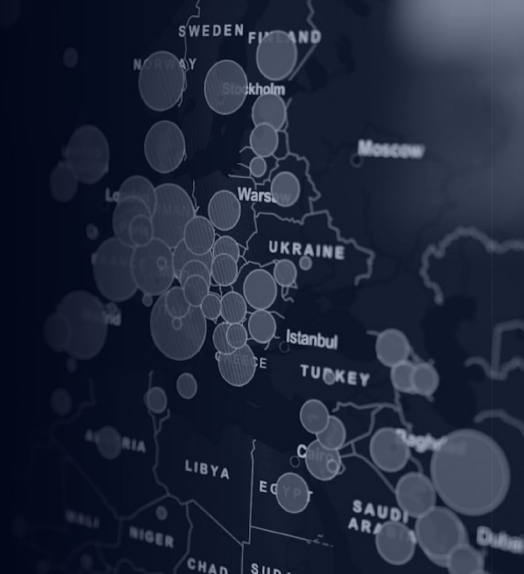
Situation report / UAS threat
The rapid evolution of drone technologies requires constant reassessment of security protocols. Drones are no longer neutral tools but complex, accessible and adaptive threat vectors.
Threat analysis
This page outlines the factors that make drone threats highly dynamic: platform democratization, diversified hostile uses, increasing sophistication and detection challenges.
Drone threats have rapidly expanded with the widespread adoption of civilian drones since 2015.
Threats come in various forms, from modified commercial drones to autonomous systems and coordinated swarms.
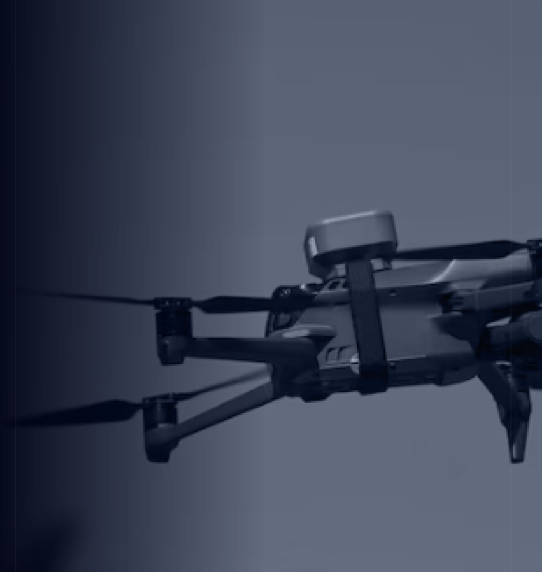
Counter-drone operations are complex due to low visibility, mobility and adaptability.

The challenge lies in the lack of structured response systems.

Transition
Protecting sensitive sites requires a multi-layered defense architecture.