
Counter-drone approach
Detect, identify and neutralize aerial threats effectively
An effective counter-drone strategy relies on combining detection, identification, supervision and neutralization systems adapted to operational and regulatory contexts.
Detection solutions
Detect before acting
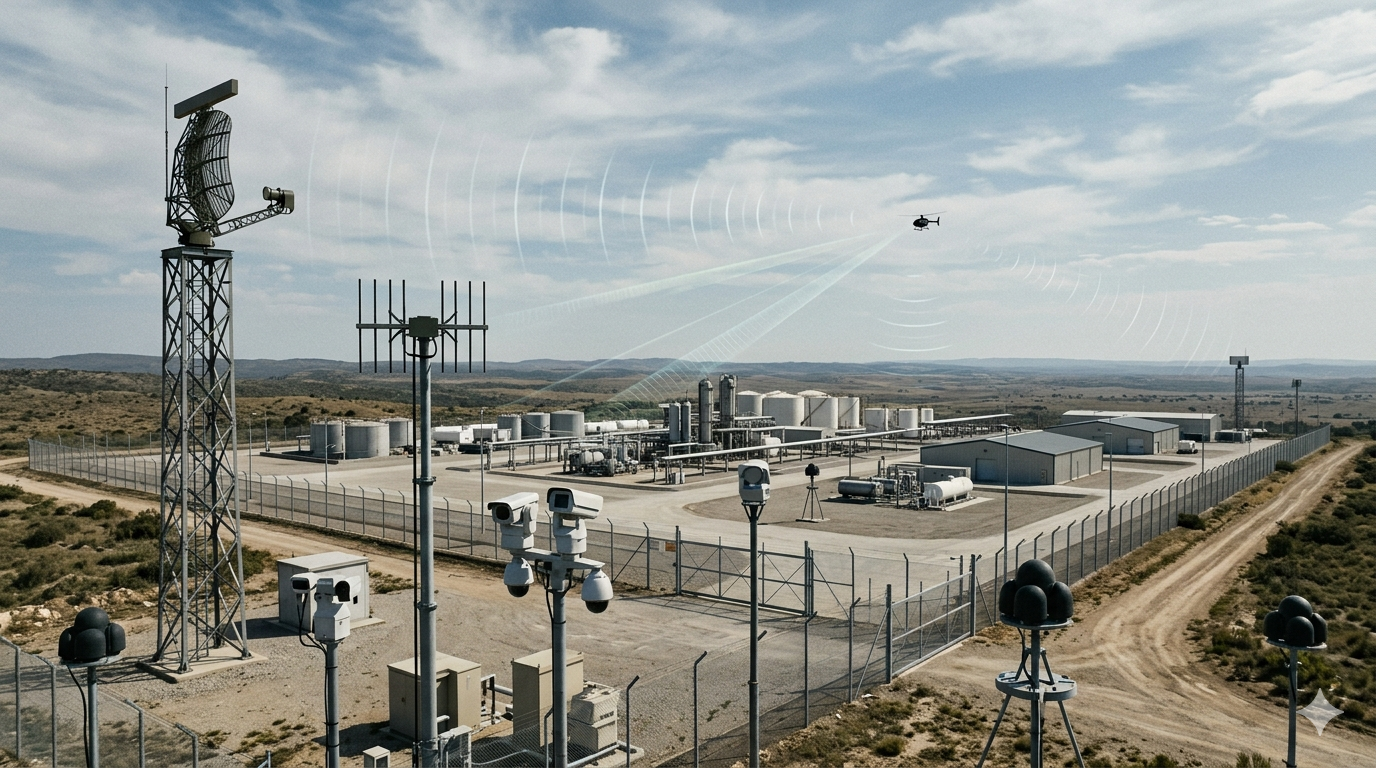
Detection is the first step of the system. It relies on combining multiple sensors to identify drone presence within the protected environment.
- Low altitude C-UAS radars
- RF detection and direction finding
- Optical and infrared sensors
- Acoustic sensors
- Multi-sensor fusion is essential
Neutralization – Soft kill
Soft Kill: a non-destructive response
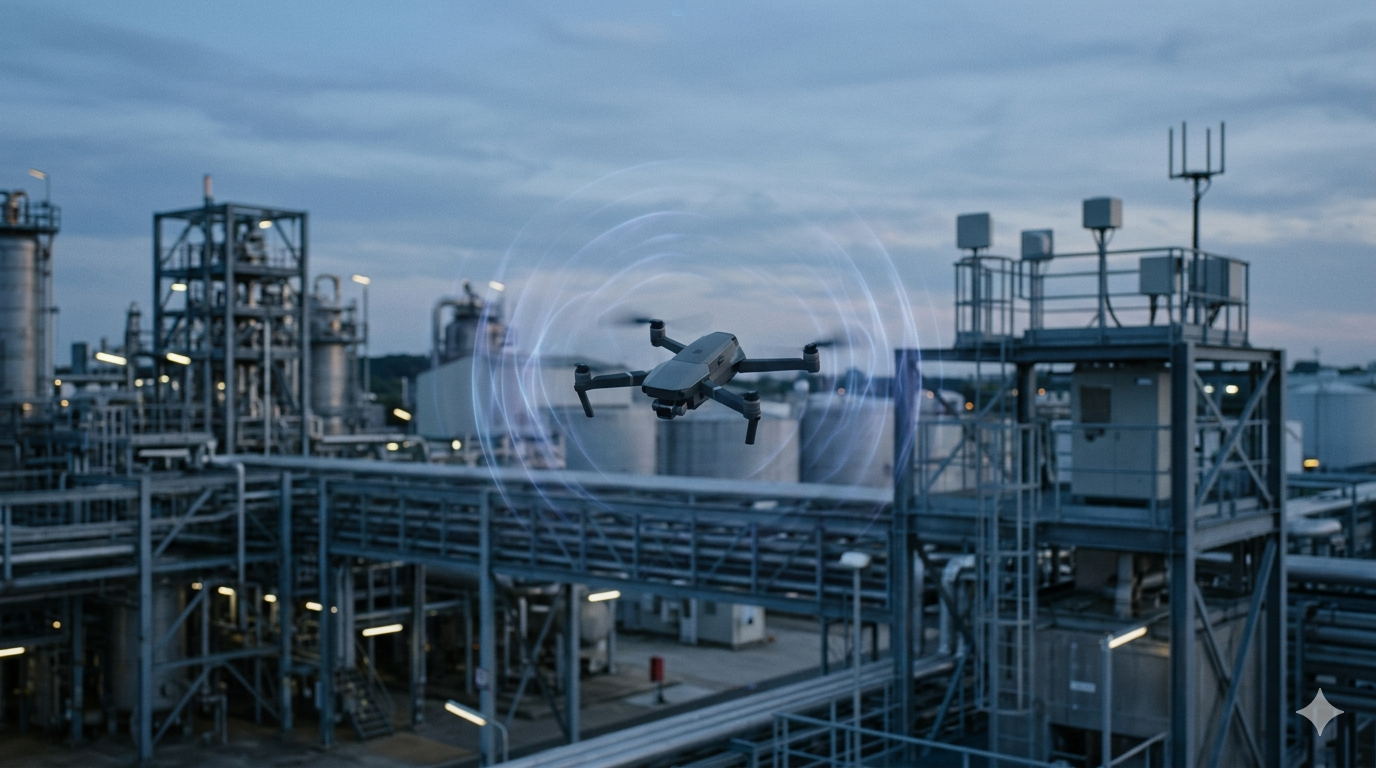
Soft kill solutions neutralize drones without physical destruction, providing controlled responses suitable for sensitive environments.
- RF jamming
- GNSS spoofing
- Drone takeover
- Net-capture drones
- Non-destructive approach
- Strict legal framework
Neutralization – Hard kill
Hard Kill: physical neutralization for critical threats
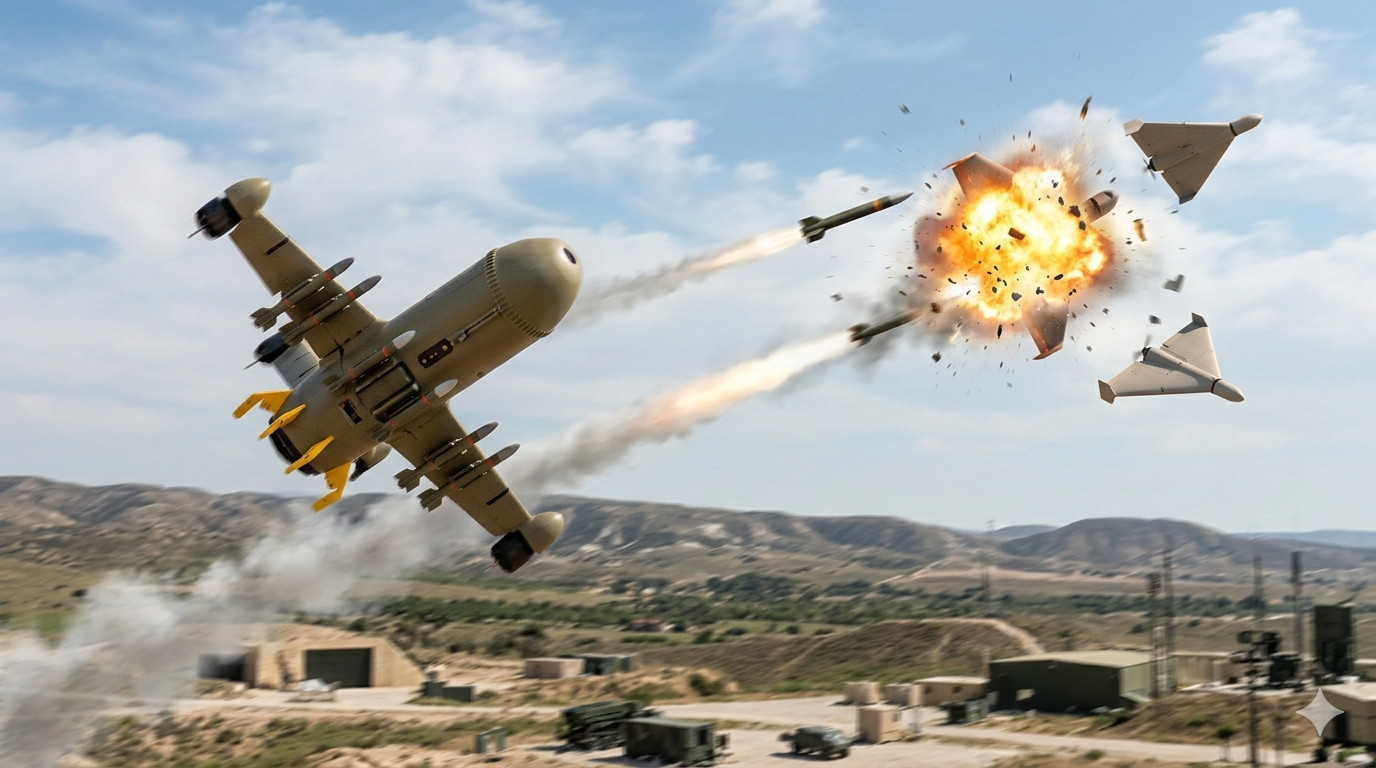
Hard kill solutions rely on kinetic or energy-based systems to intercept or destroy drones when required.
- Kinetic systems
- Primarily military use
- Cannons and projectile weapons
- Short-range missiles
- High-energy lasers
- Interceptor drones
Recommended approach
Multi-layer defense
Effective protection relies on a multi-layer architecture combining detection, identification, decision-making and neutralization with human supervision.
- Multi-layer defense
- Detection → Identification → Decision
- Human supervision
- Adaptation to site context

Stop being vulnerable
Contact us to discuss your needs and deploy a tailored solution.